
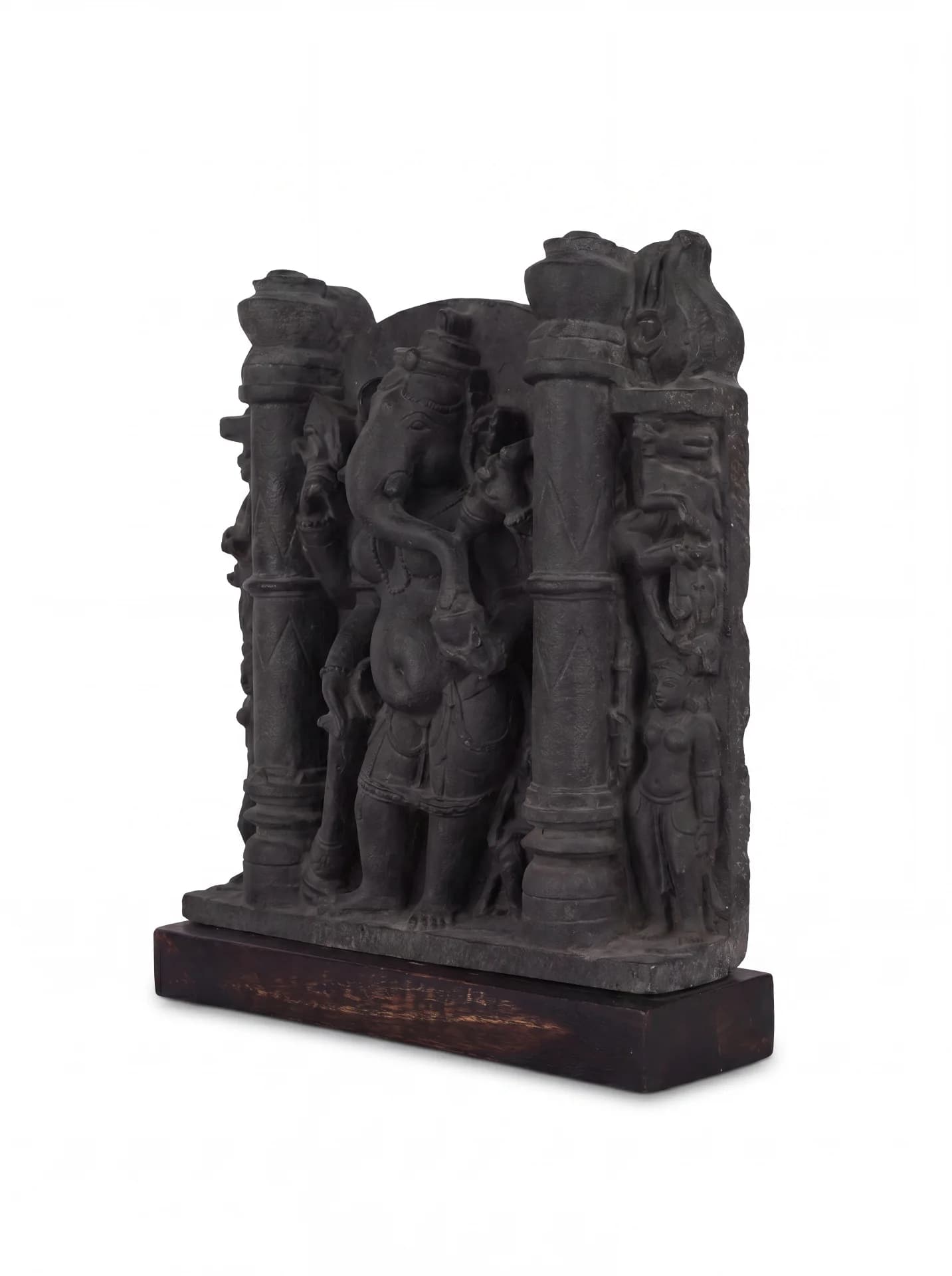
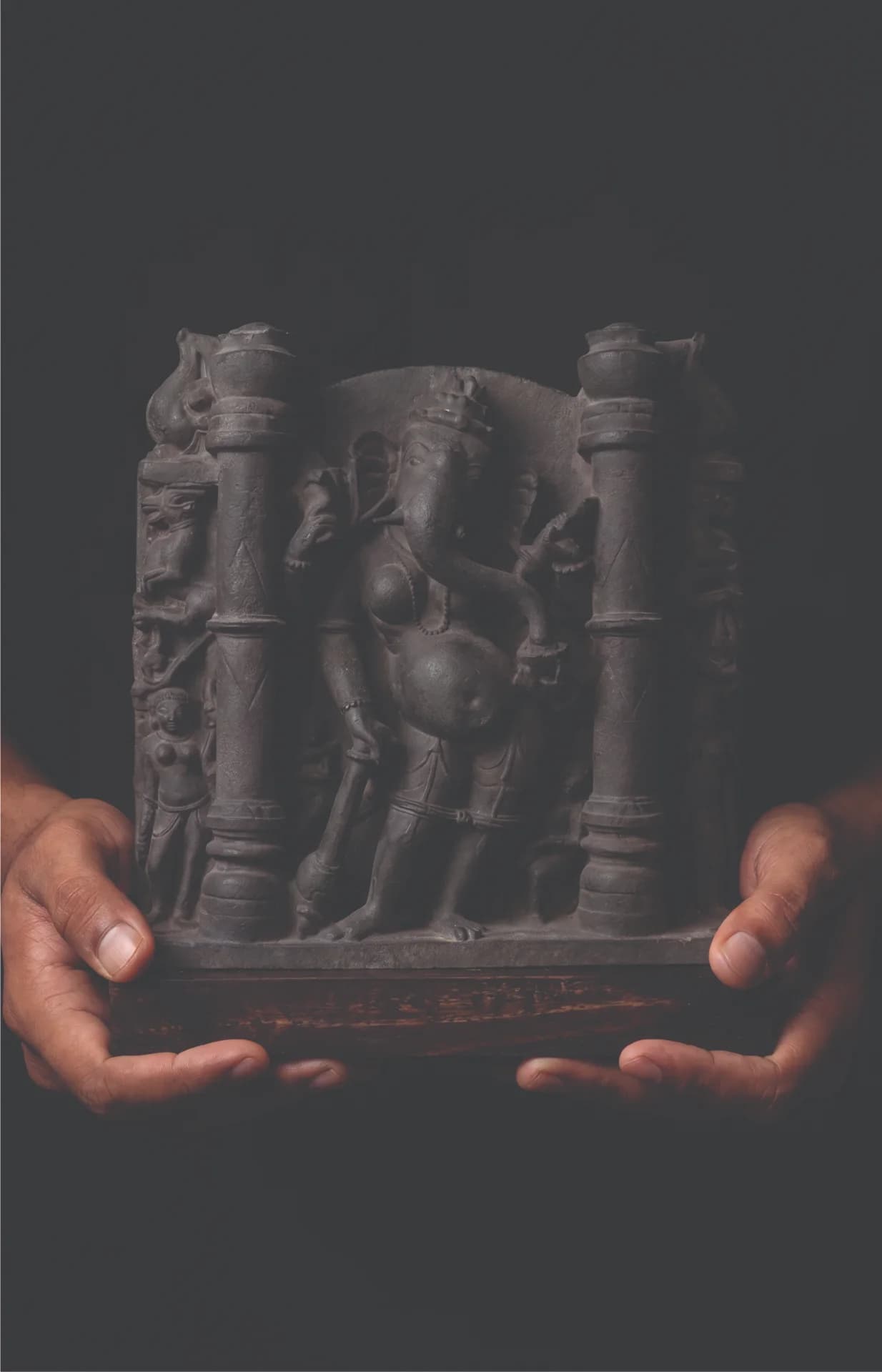
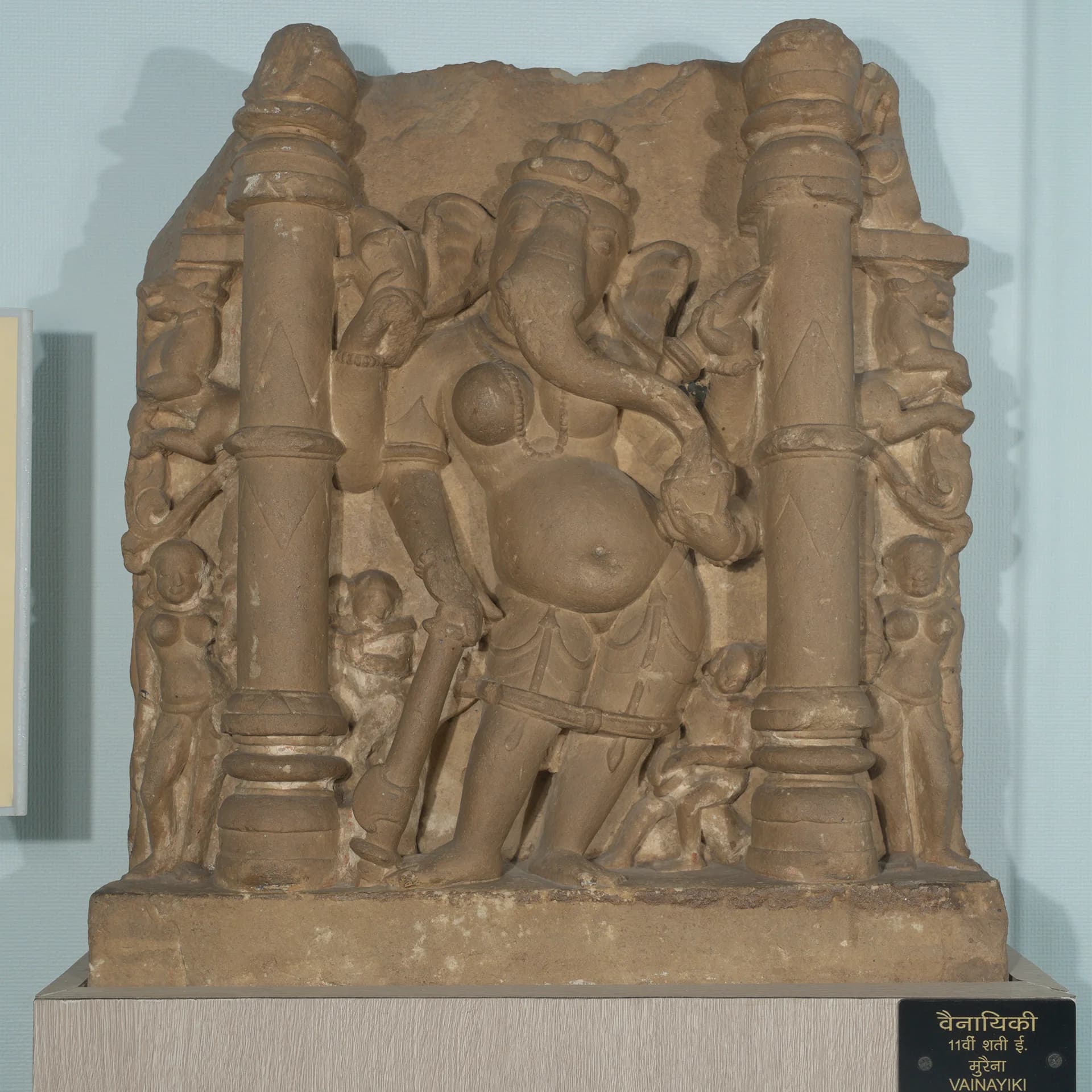
- Name
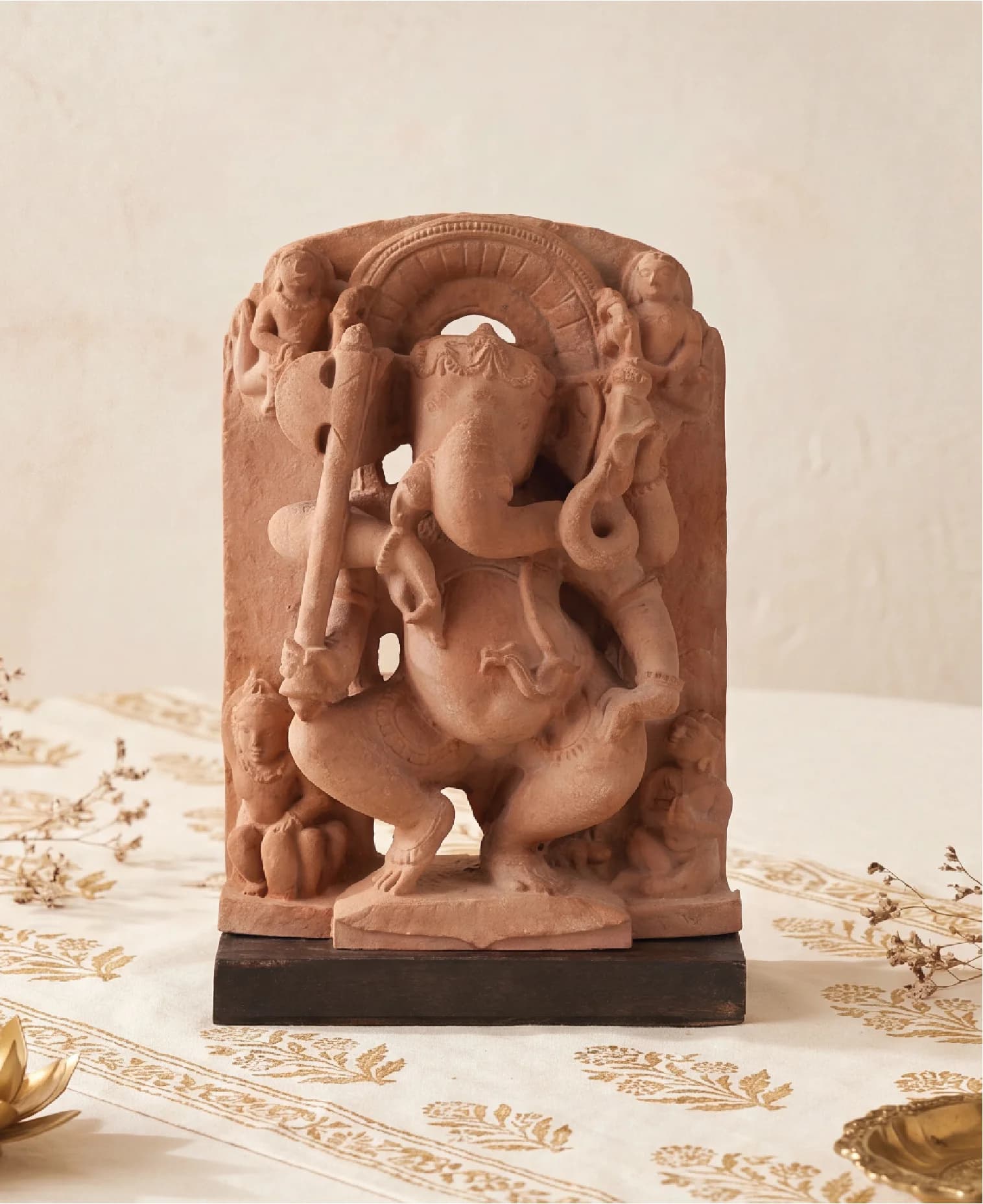
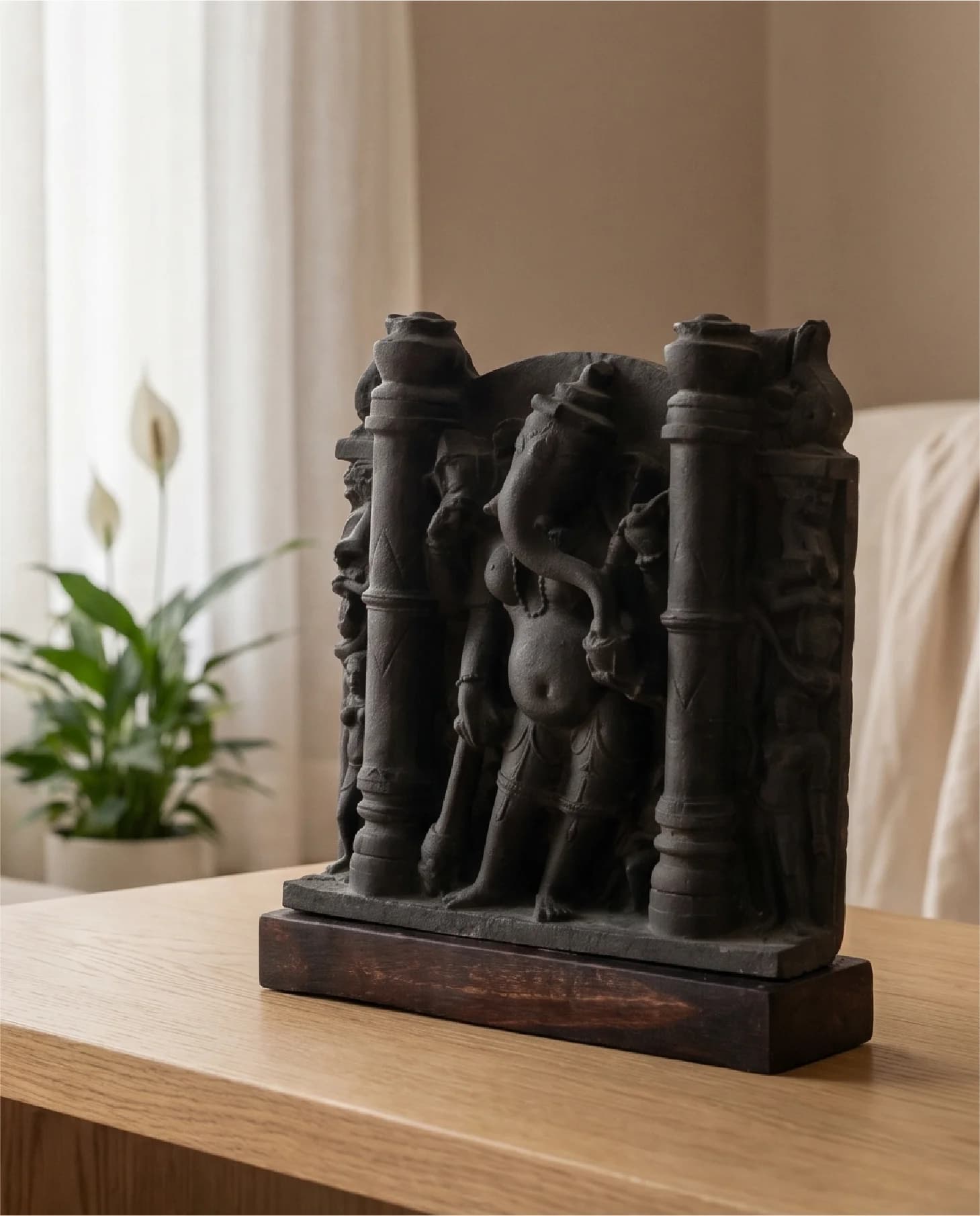
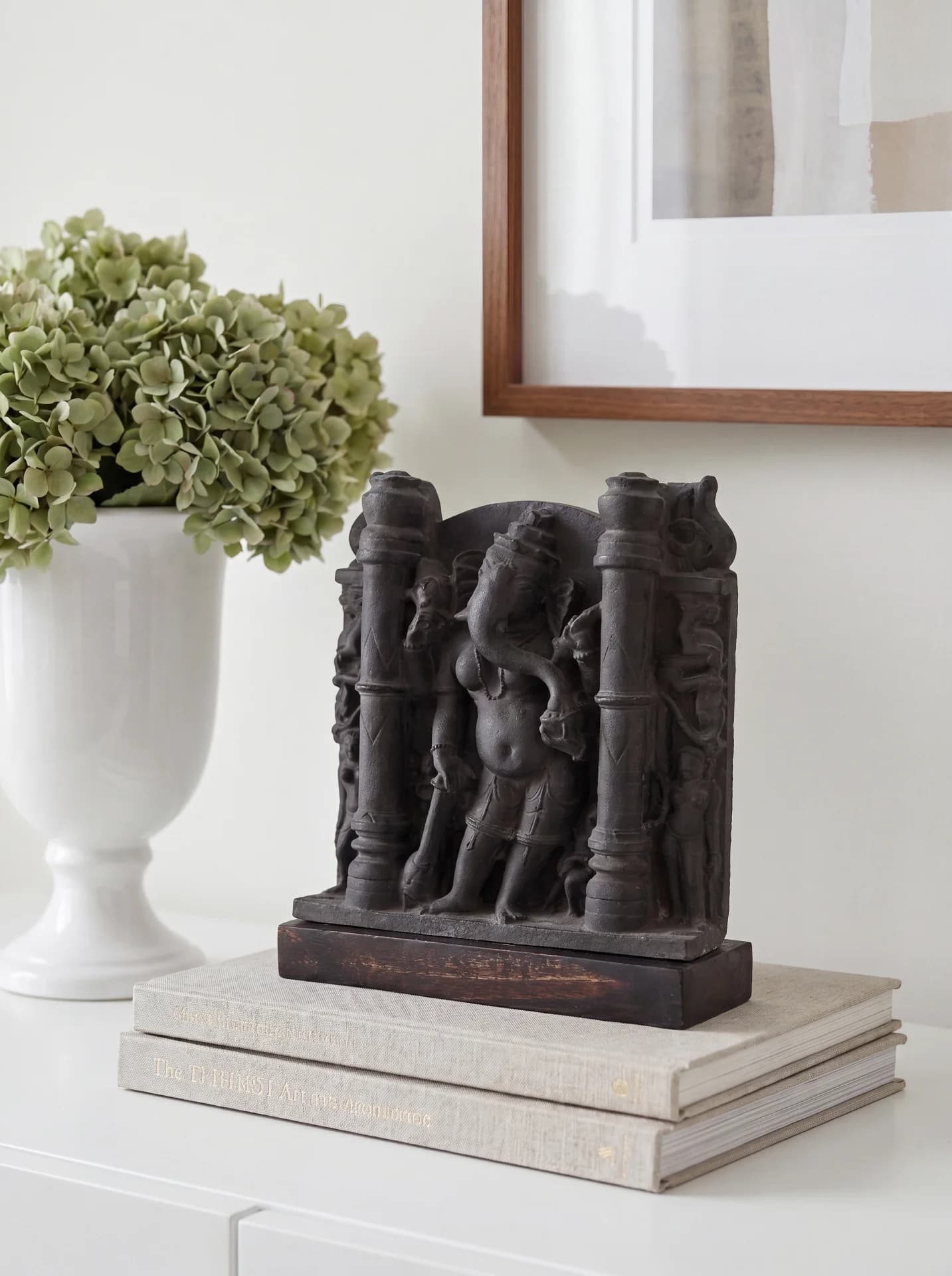
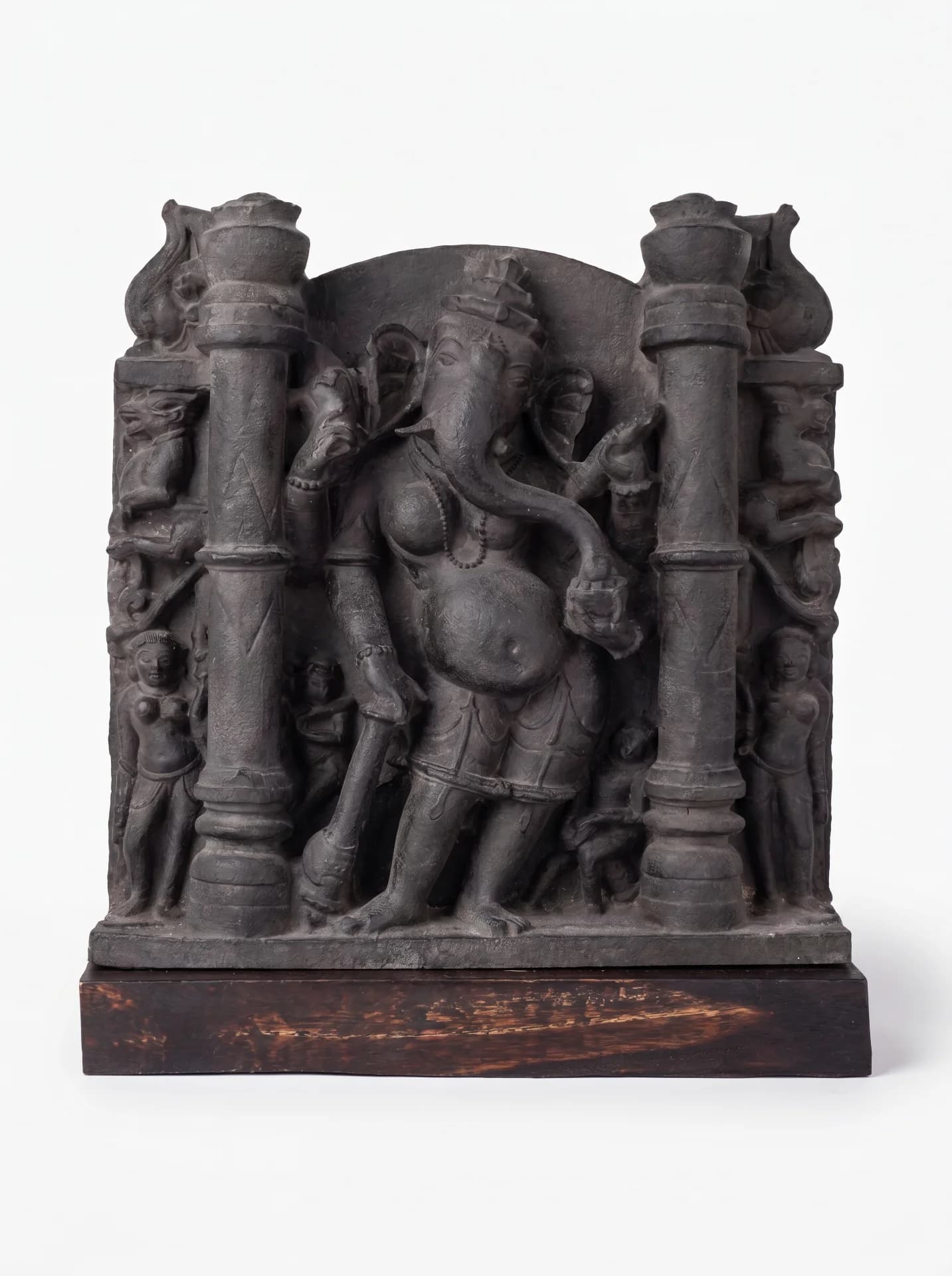
- Vinayaki
- Origin
- 11th Century CE, Morena
- Currently at
- Triveni Museum, Madhya Pradesh, India
About this piece
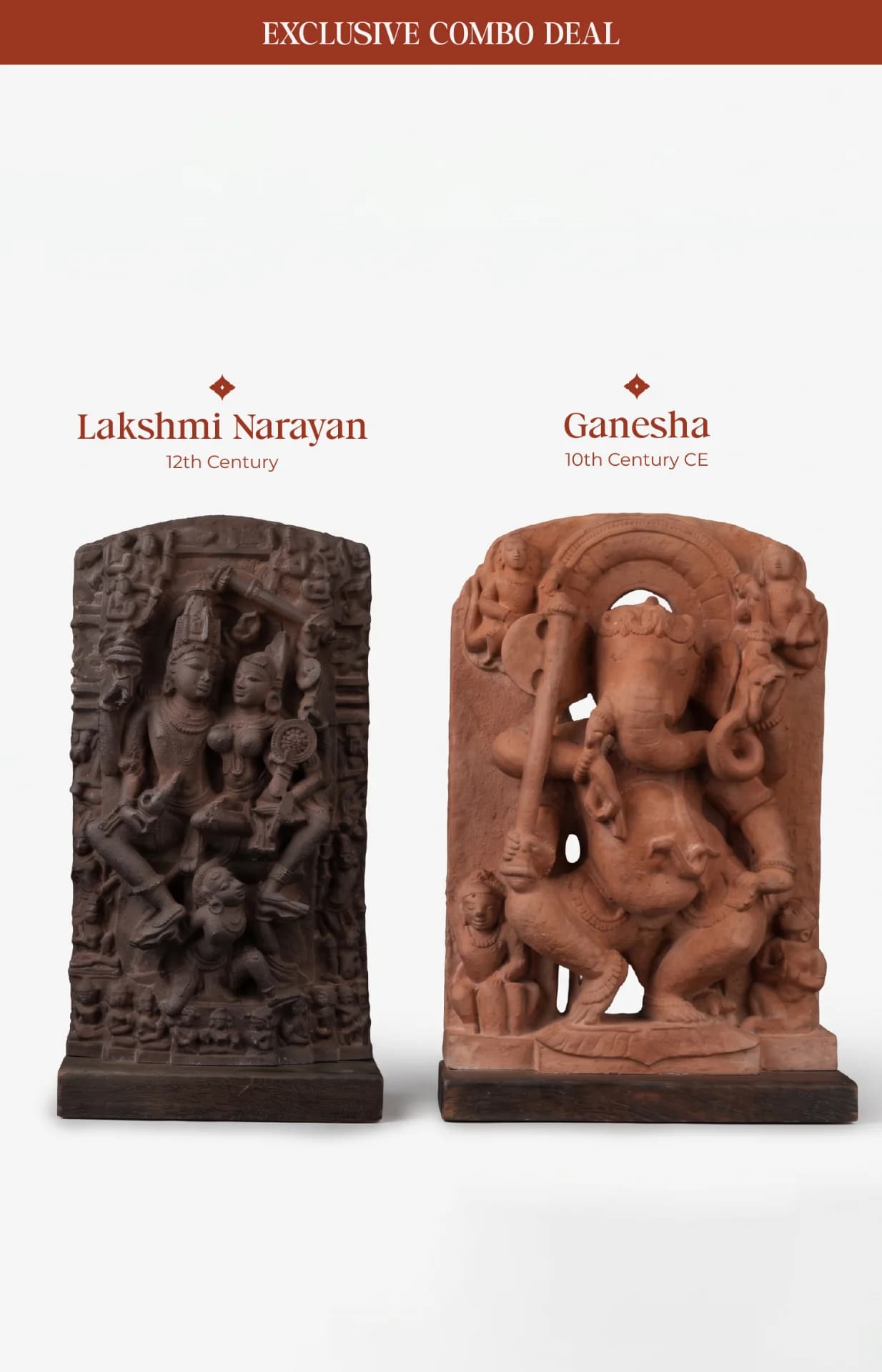
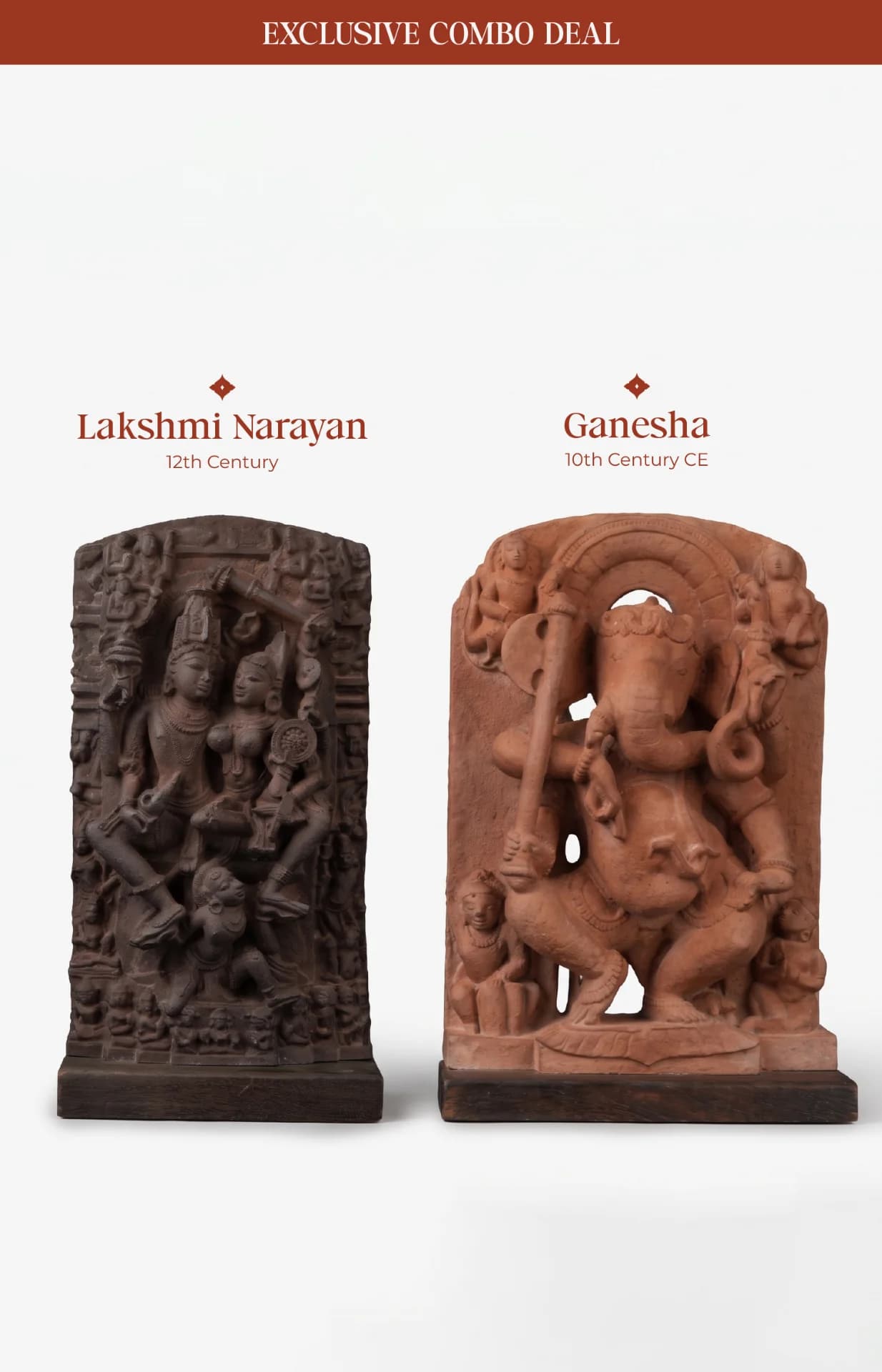
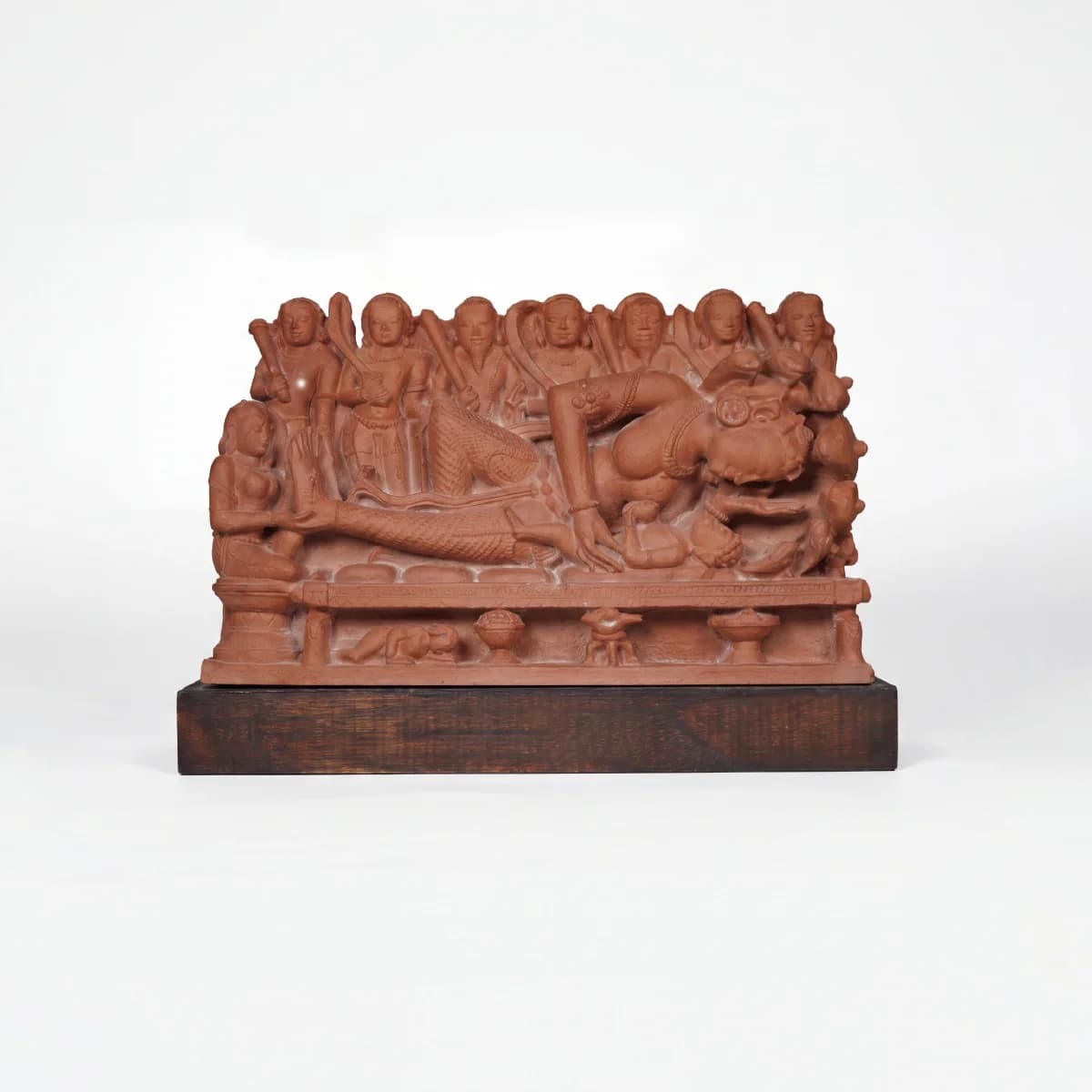
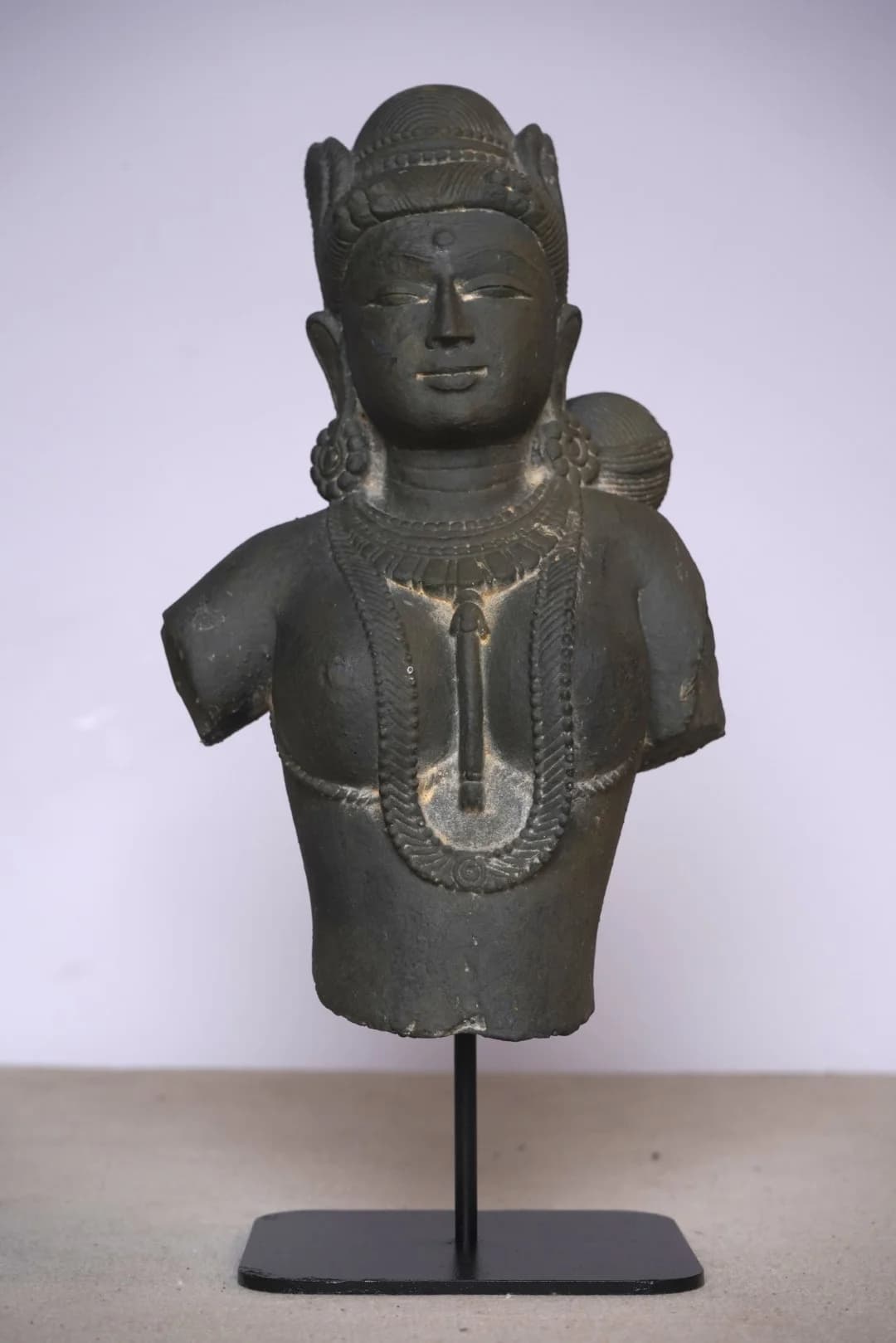
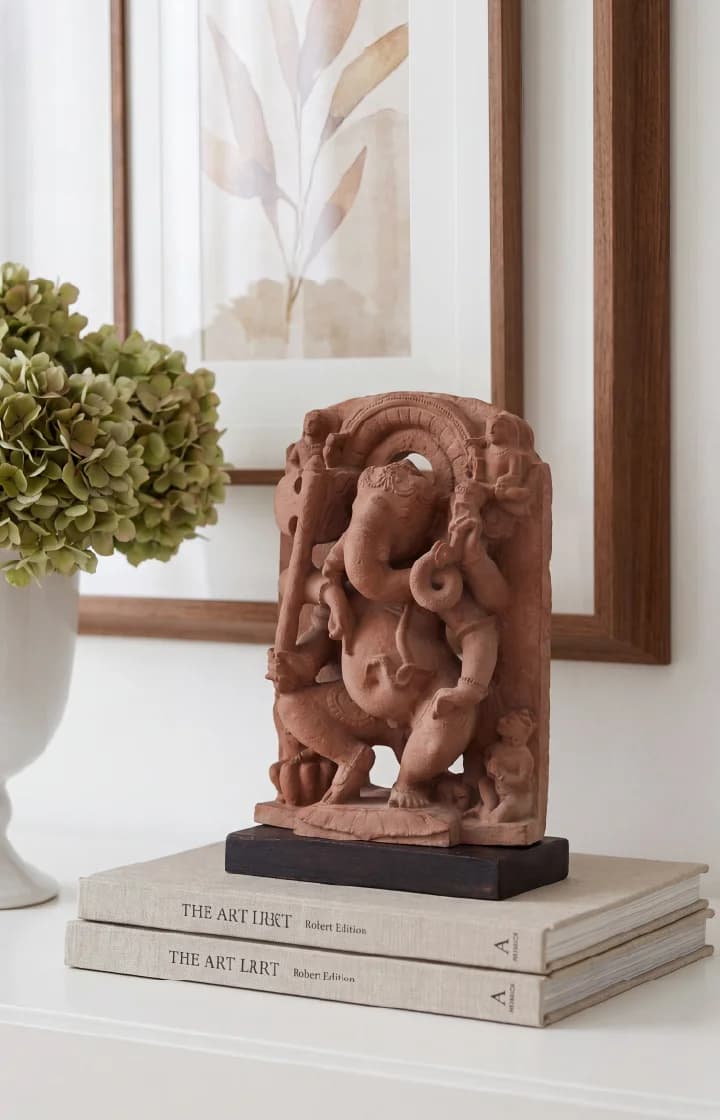
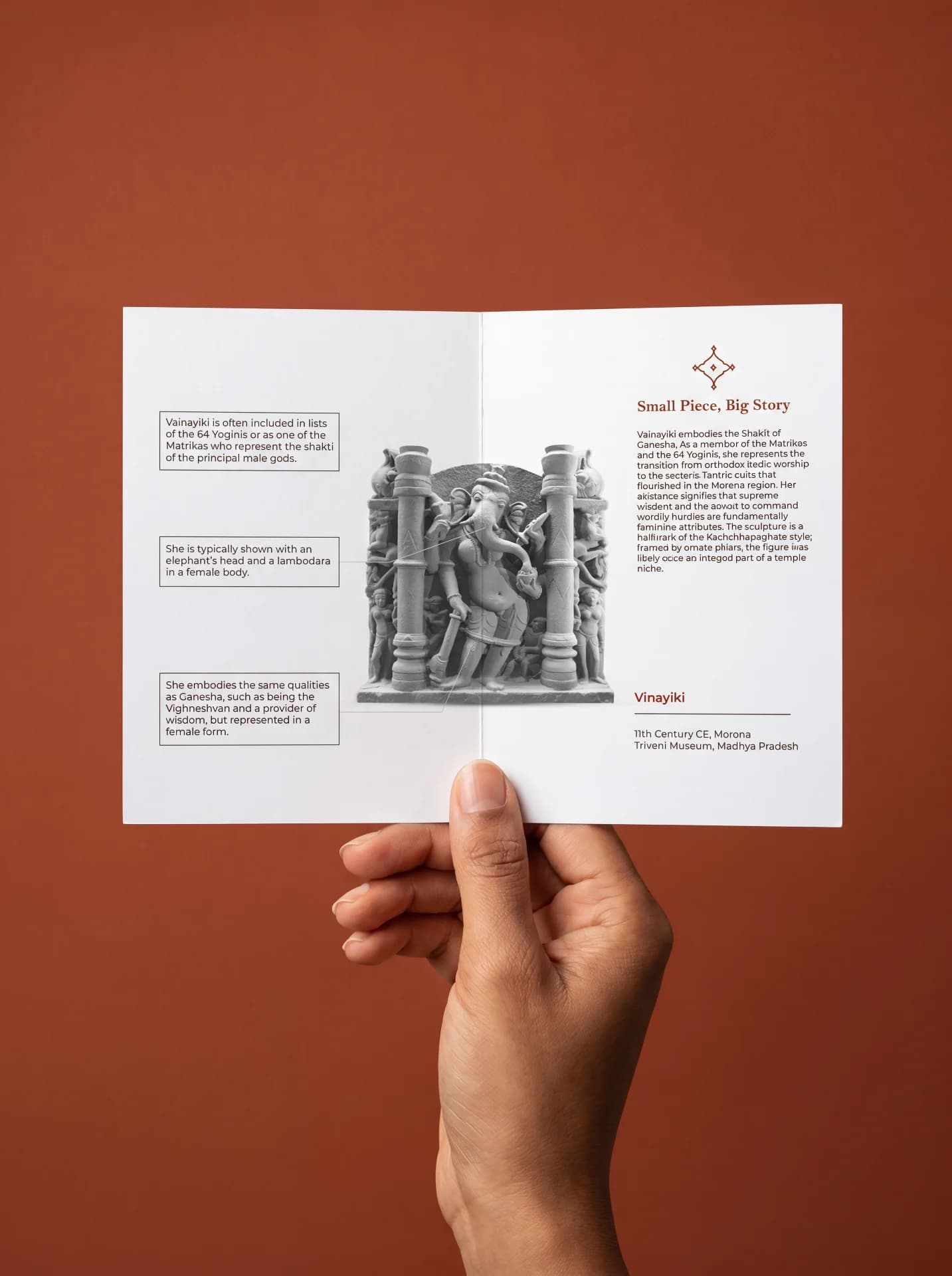
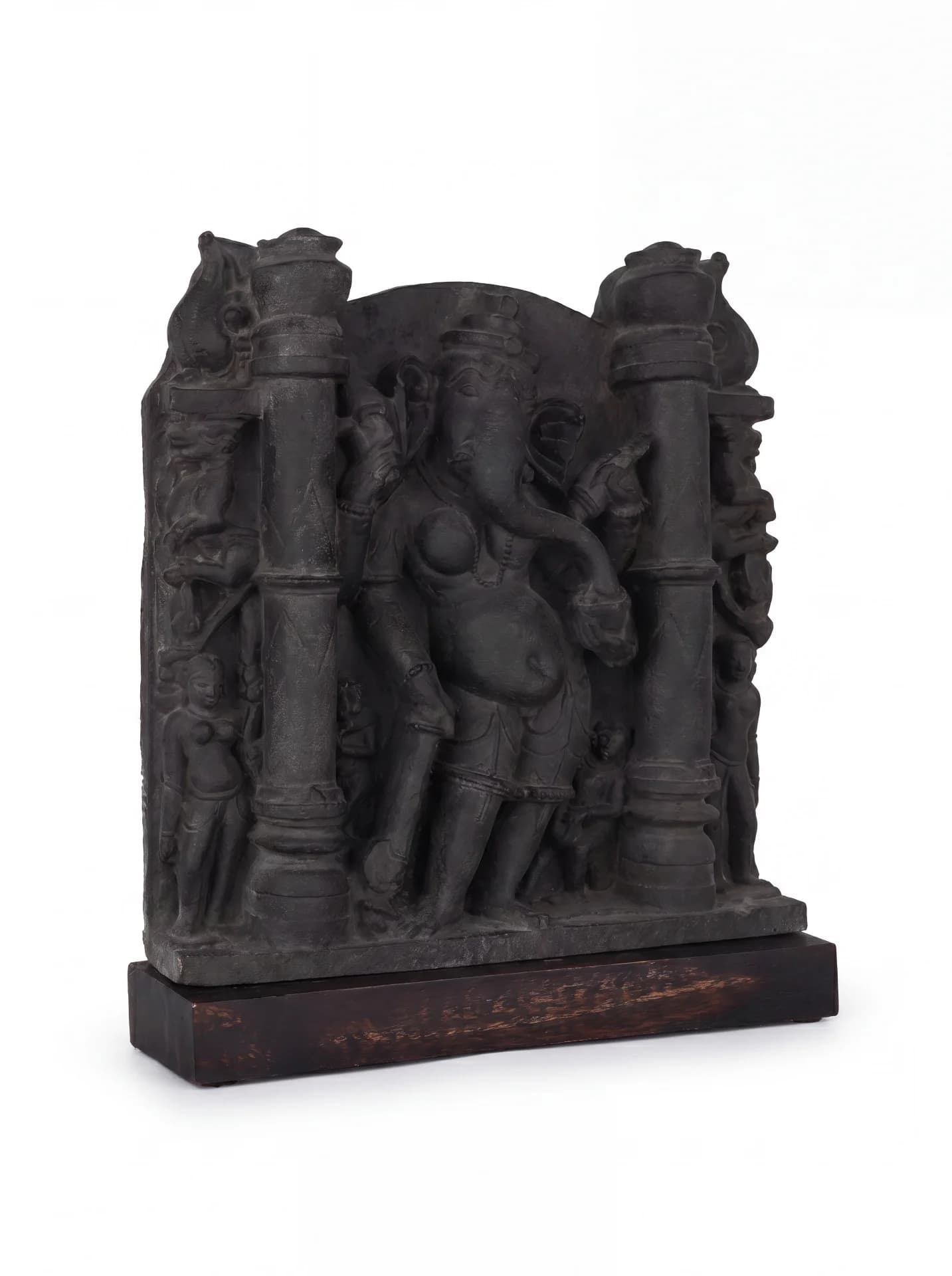
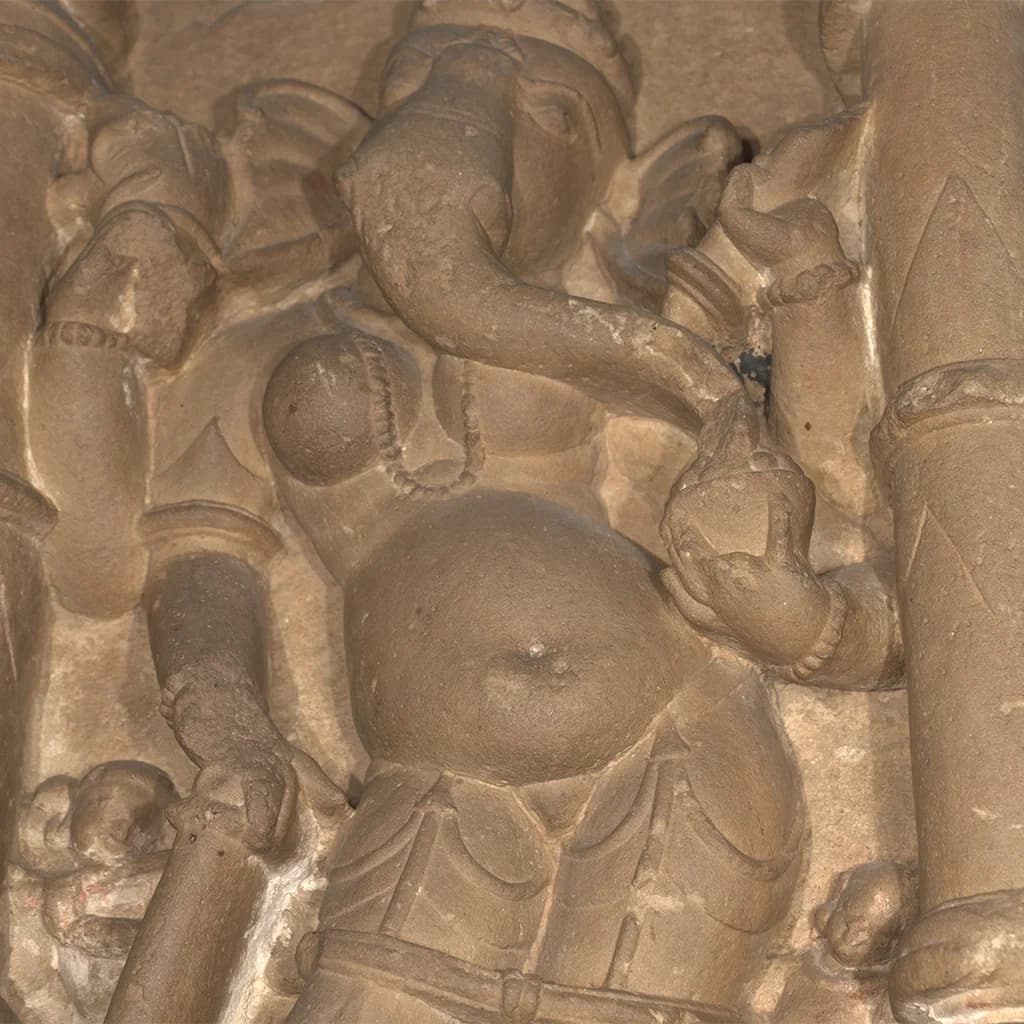
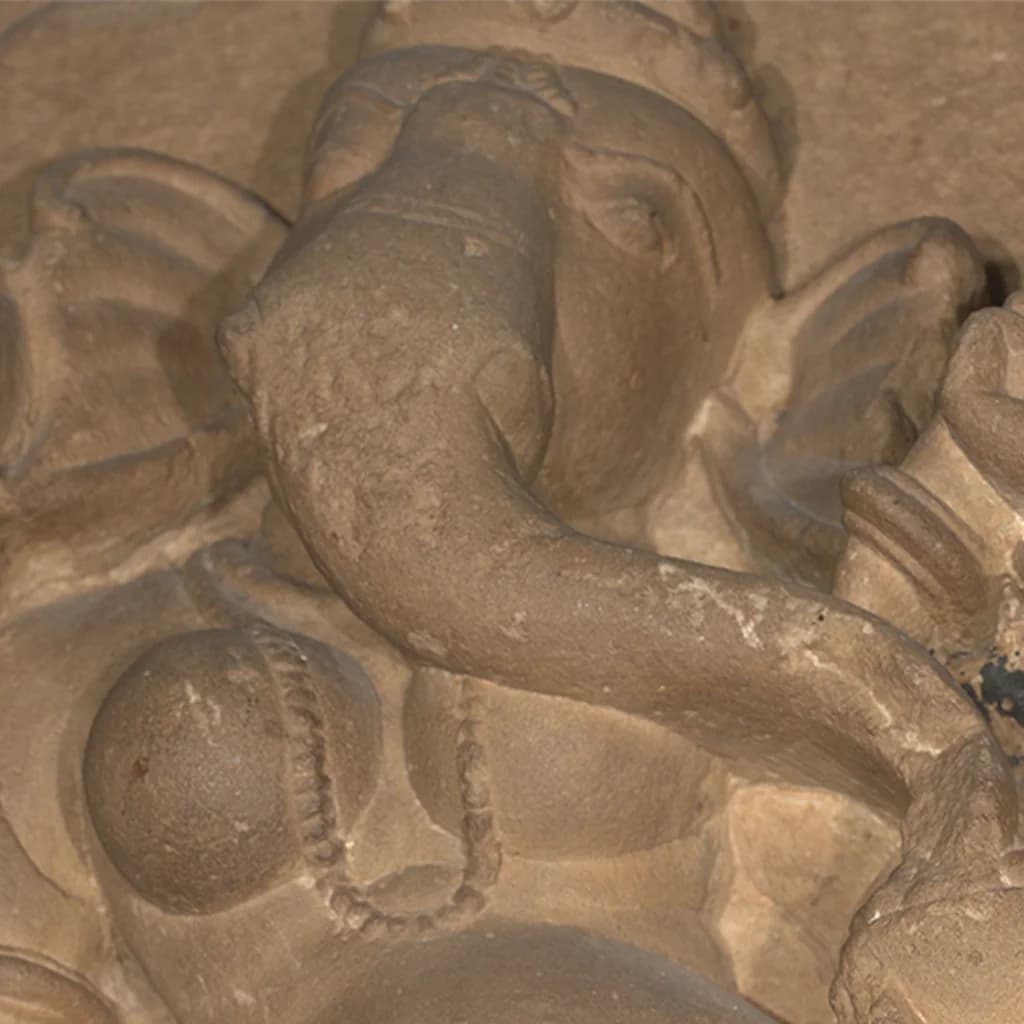
Vinayaki is conceived as the energy or shakti of Vinayaka or Ganesh, but as a divine mother, she could not find a place among the seven mother goddesses. However, she has been mentioned in the Puranas among the 9 mother goddesses. According to historians, the earliest mention of Vinayaki occurred in the Matsya Purana, compiled in 550 AD. She was listed among 200 other goddesses as one of Shiva’s various forms. The earliest representation of the Vinayaki is from Rairh in Rajasthan. A damaged terracotta sculpture, dated to the 5th century AD, has her depiction. The rest of the representations appeared only after the 10th century AD. The sculpture of Vinayaki represents the art legacy of the Kachchapaghata period. The hybrid form of the goddess with an elephant head carries weapons and usual ornamentation prescribed according to the Shastric tradition. Another legend connects Vinayaki’s origin with the death of Andhkasura. A demon named Andhaka wanted Parvati to be his wife. Shiva attempted to kill him, but the only way he could die was if not a drop of blood fell on the ground. Parvati then called for help from the shaktis of every divine being, including Vaishnavi, who is Vishnu’s shakti; Indrani, who is Indra’s shakti; and Brahmini, who is Brahma’s shakti. Here, Ganesh’s shakti also emerged to drink the blood of Andhaka before it touched the ground. Meta description: Discover the rare feminine energy of Ganesha with our Vinayaki sculpture. A museum-grade replica of the 11th century, perfect for home decor and gifting.
Reviews
Neelam
Verified Purchase
5 months ago
The Vinayaki is a gorgeous piece, love how the tribhanga pose flows so naturally, you can feel the artisan's skill in every cuvrve.
Saurabh S
Verified Purchase
6 months ago
The Vinayaki, the female form of Ganesha, has become the main piece of my puja place now.
Anupam A
Verified Purchase
6 months ago
It is a lovely tribute to such an old sacred story.
Nagesh
Verified Purchase
6 months ago
Happy with the Vinayaki. The detailing stands out nicely and guests keep asking where I got it from.
Girinath B
Verified Purchase
6 months ago
Very good piece, I liked it.
Neelam
Verified Purchase
6 months ago
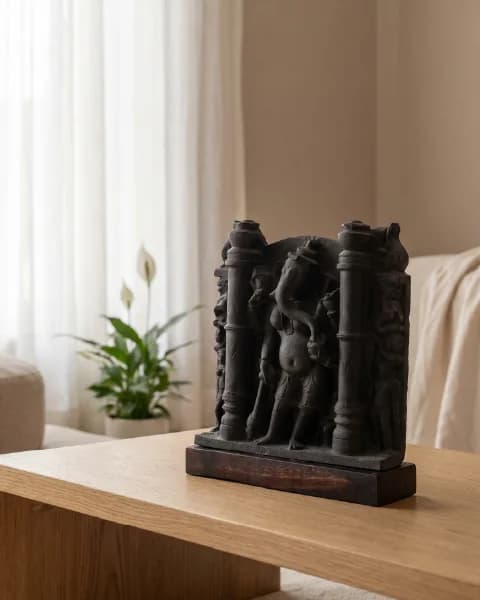
The Vinayaki looks stunning in my living room. The detailing feels premium and everyone at home noticed it immediately.
Neelam
Verified Purchase
5 months ago
The Vinayaki is a gorgeous piece, love how the tribhanga pose flows so naturally, you can feel the artisan's skill in every cuvrve.
Saurabh S
Verified Purchase
6 months ago
The Vinayaki, the female form of Ganesha, has become the main piece of my puja place now.
Anupam A
Verified Purchase
6 months ago
It is a lovely tribute to such an old sacred story.
Nagesh
Verified Purchase
6 months ago
Happy with the Vinayaki. The detailing stands out nicely and guests keep asking where I got it from.
Girinath B
Verified Purchase
6 months ago
Very good piece, I liked it.
Neelam
Verified Purchase
6 months ago
The Vinayaki looks stunning in my living room. The detailing feels premium and everyone at home noticed it immediately.
Also Bought Together
You may also like
No products available right now.