- Name
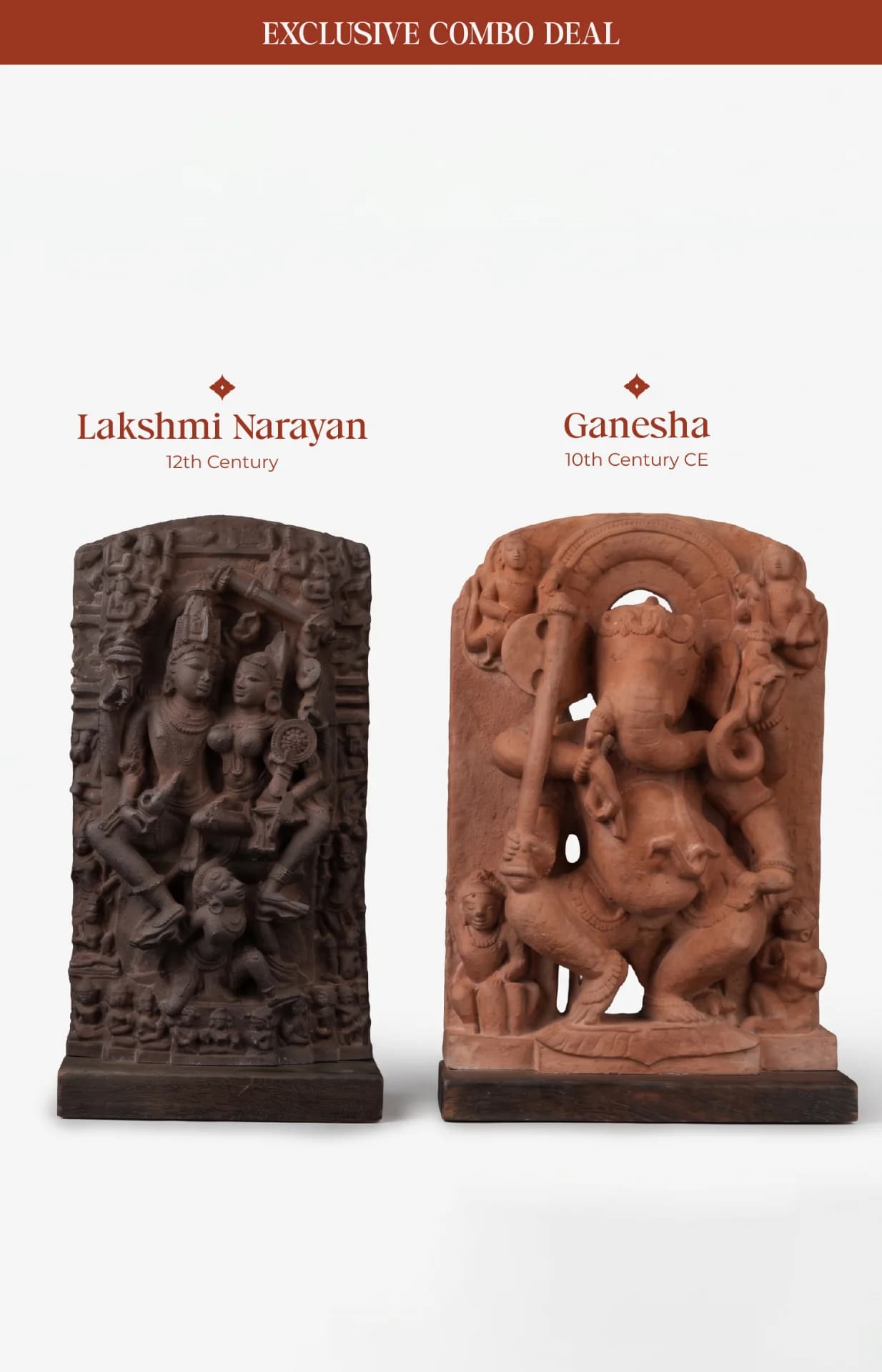
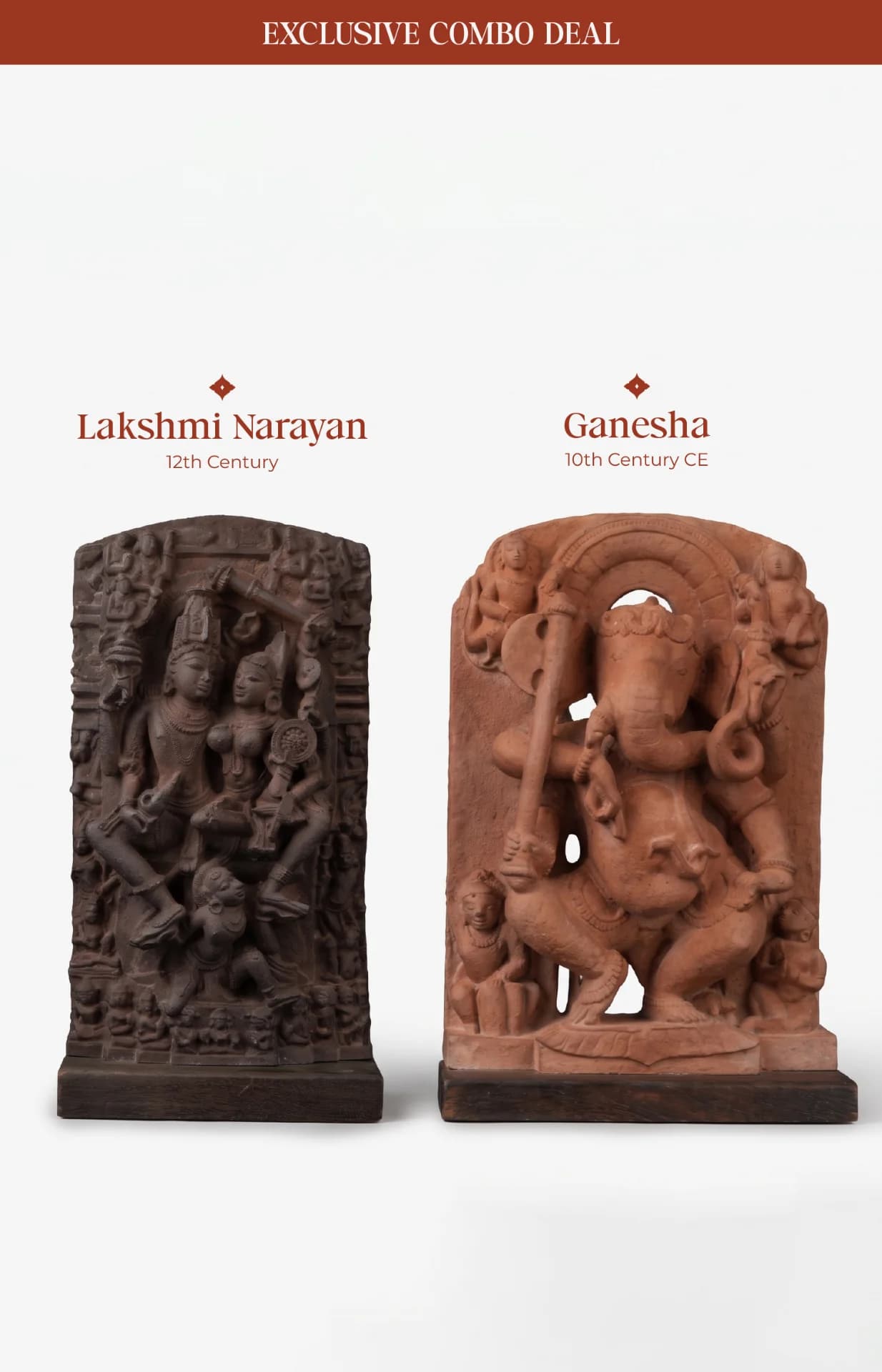
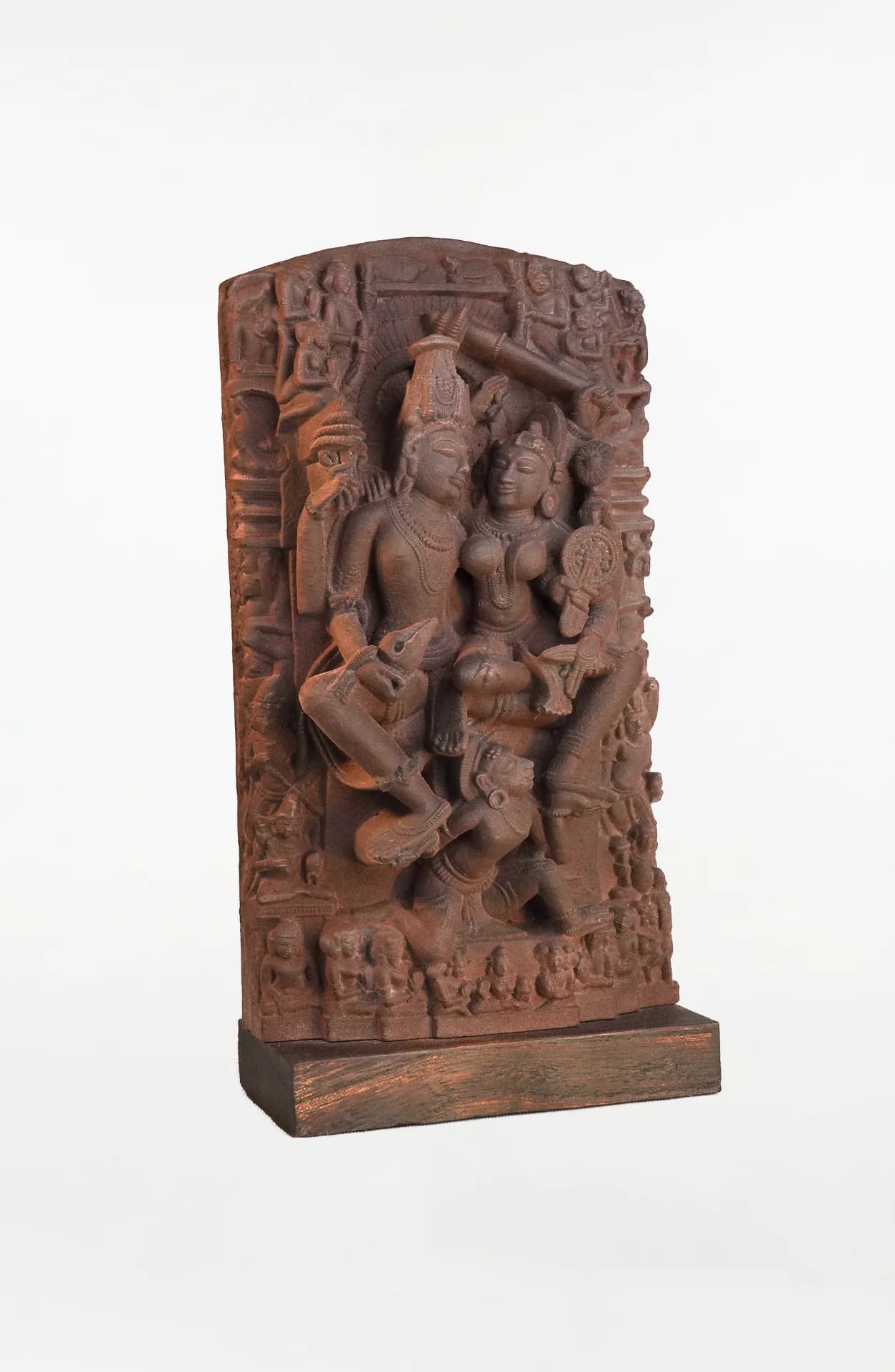
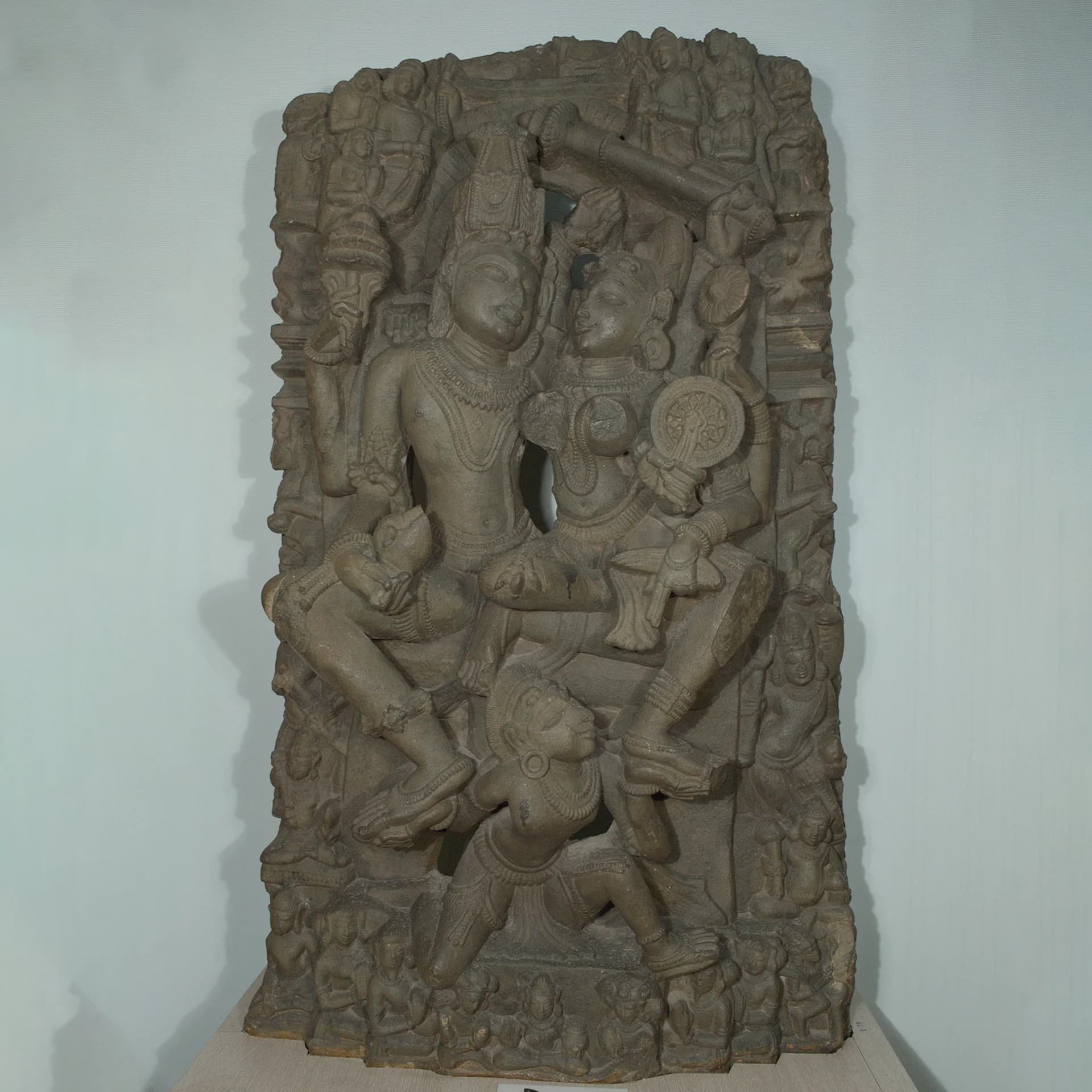
- Lakshmi Narayan
- Origin
- 12th Century CE, Dhanauli, Mandla
- Currently at
- Triveni Museum, Madhya Pradesh, India
About this piece
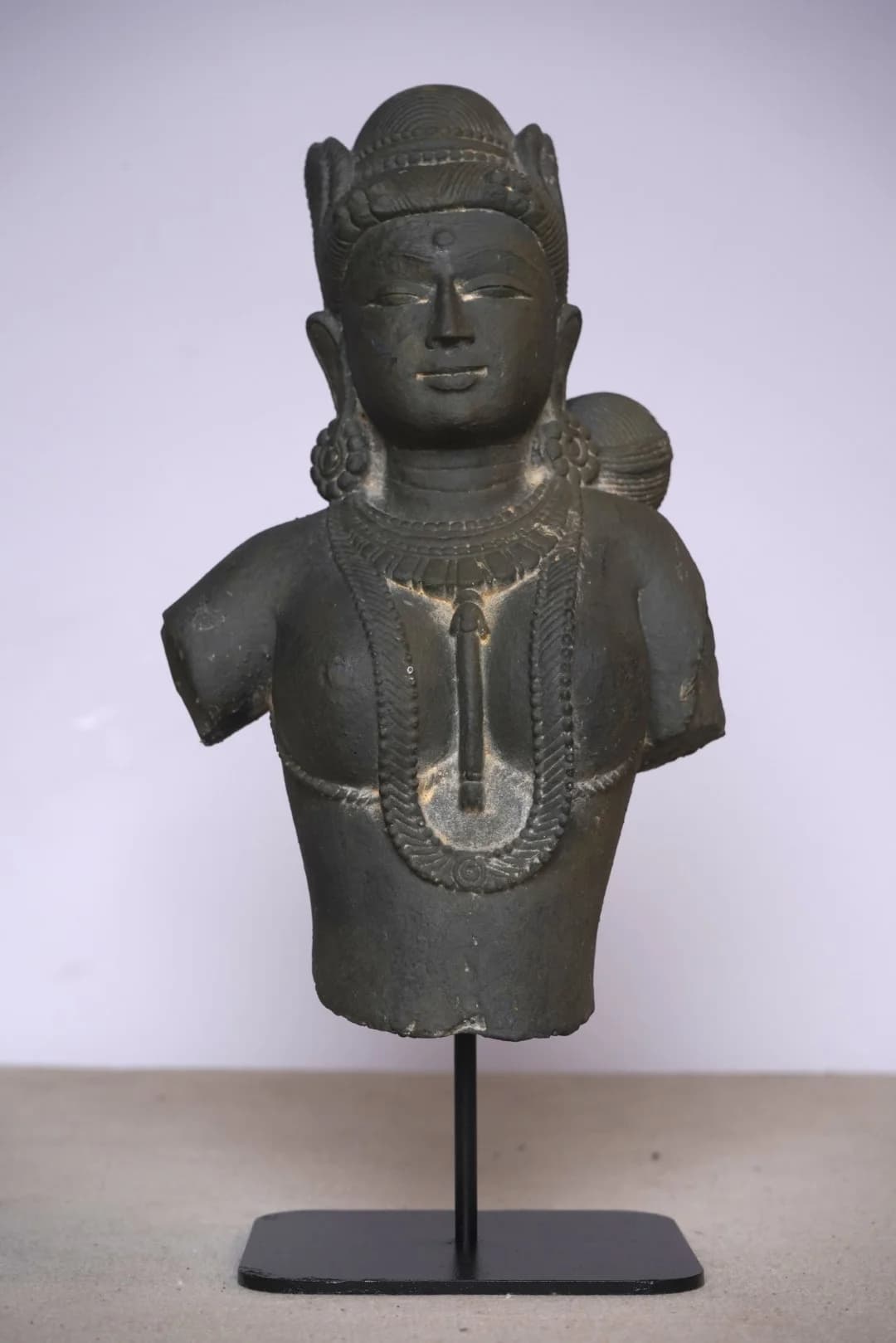
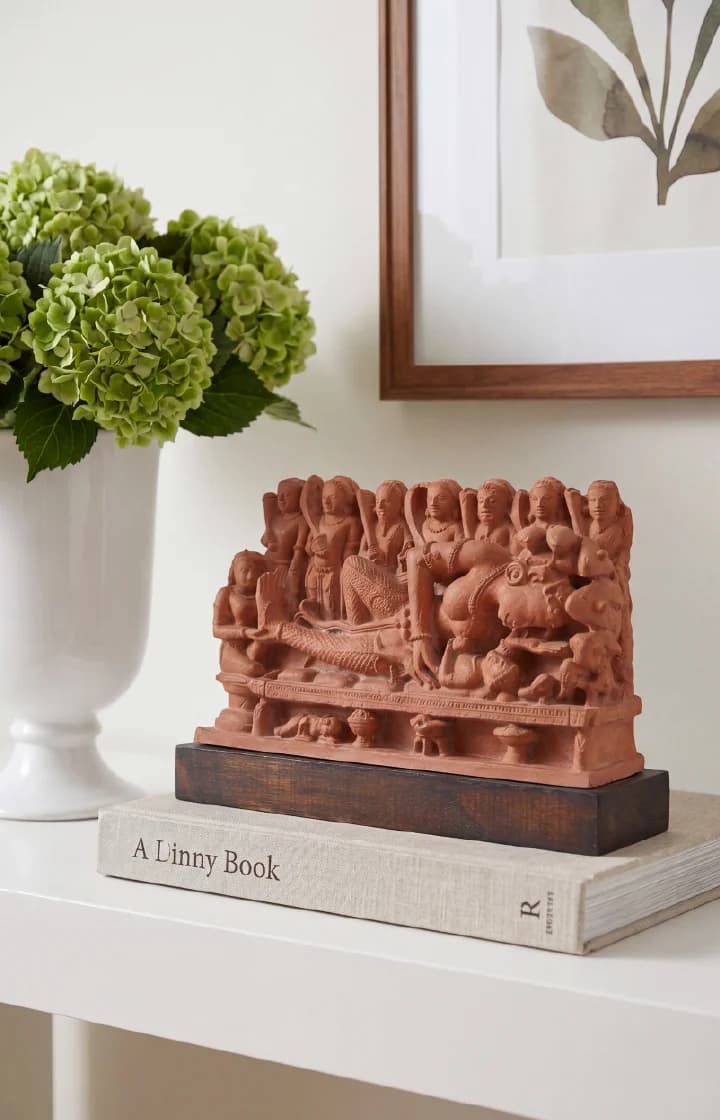
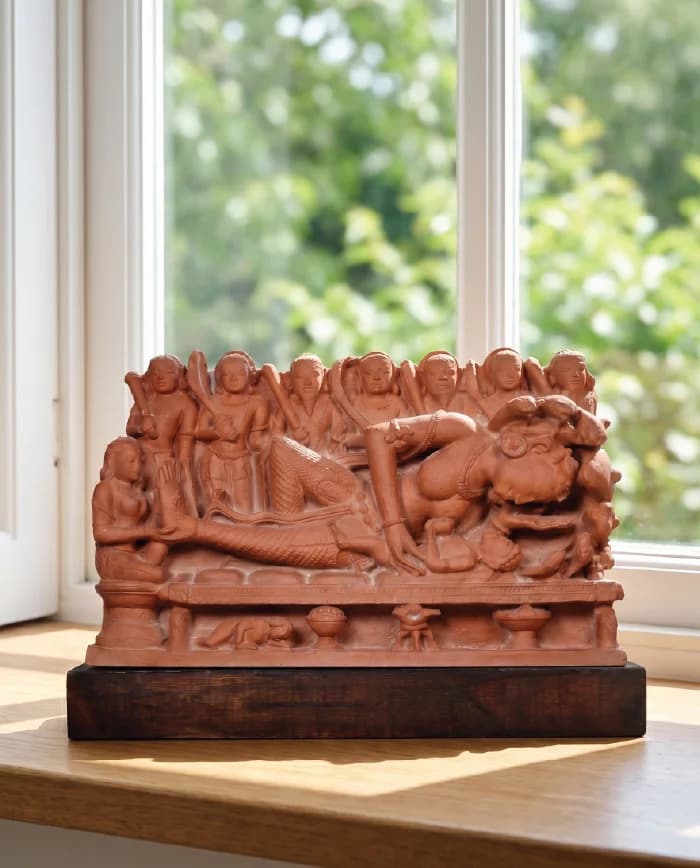
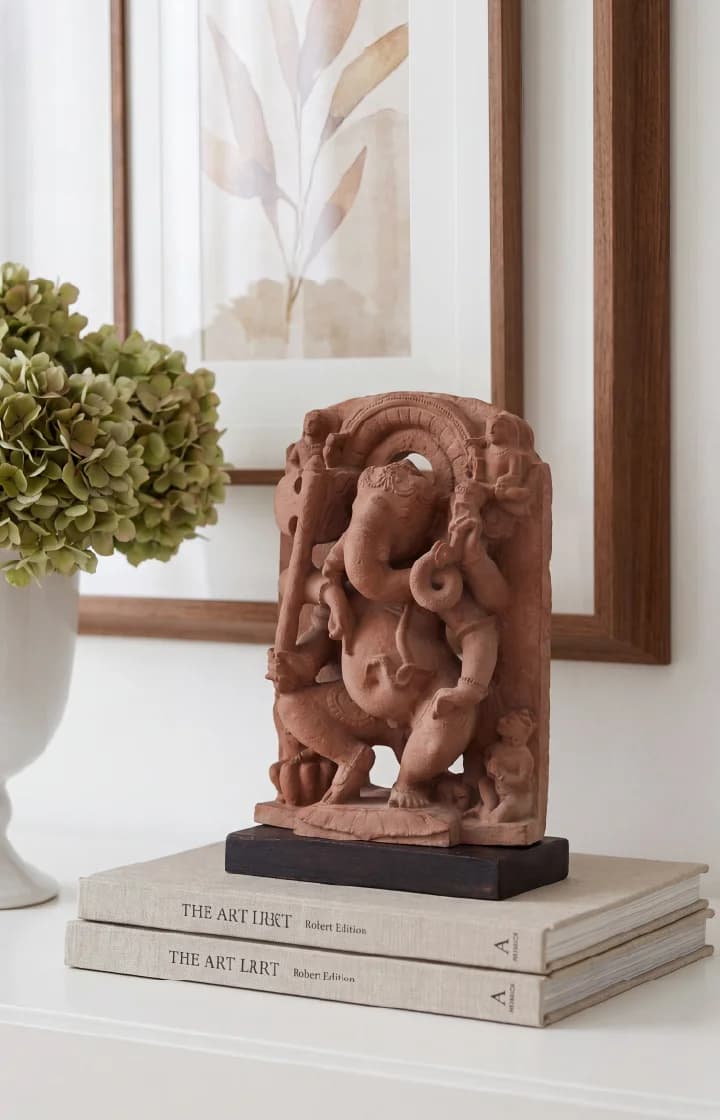
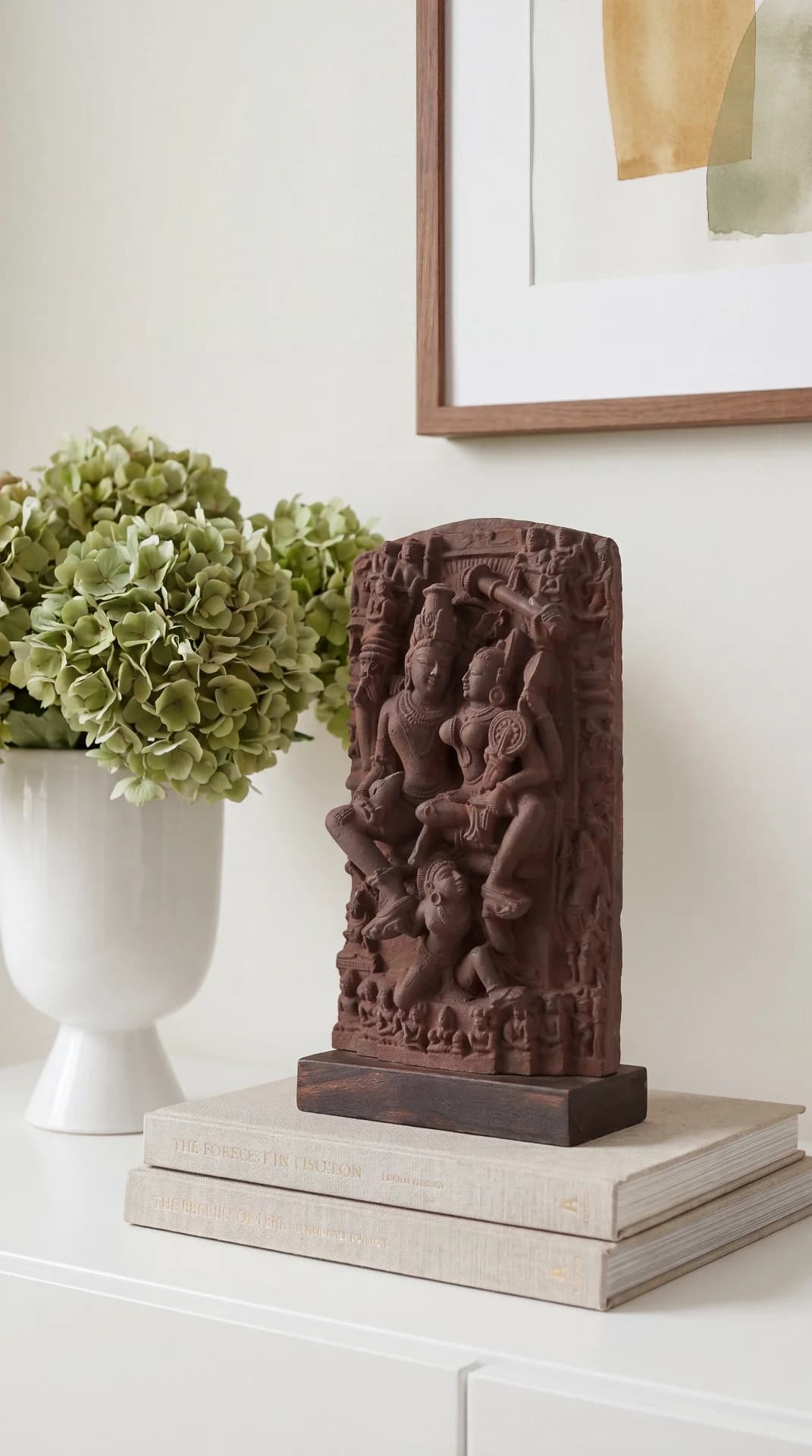
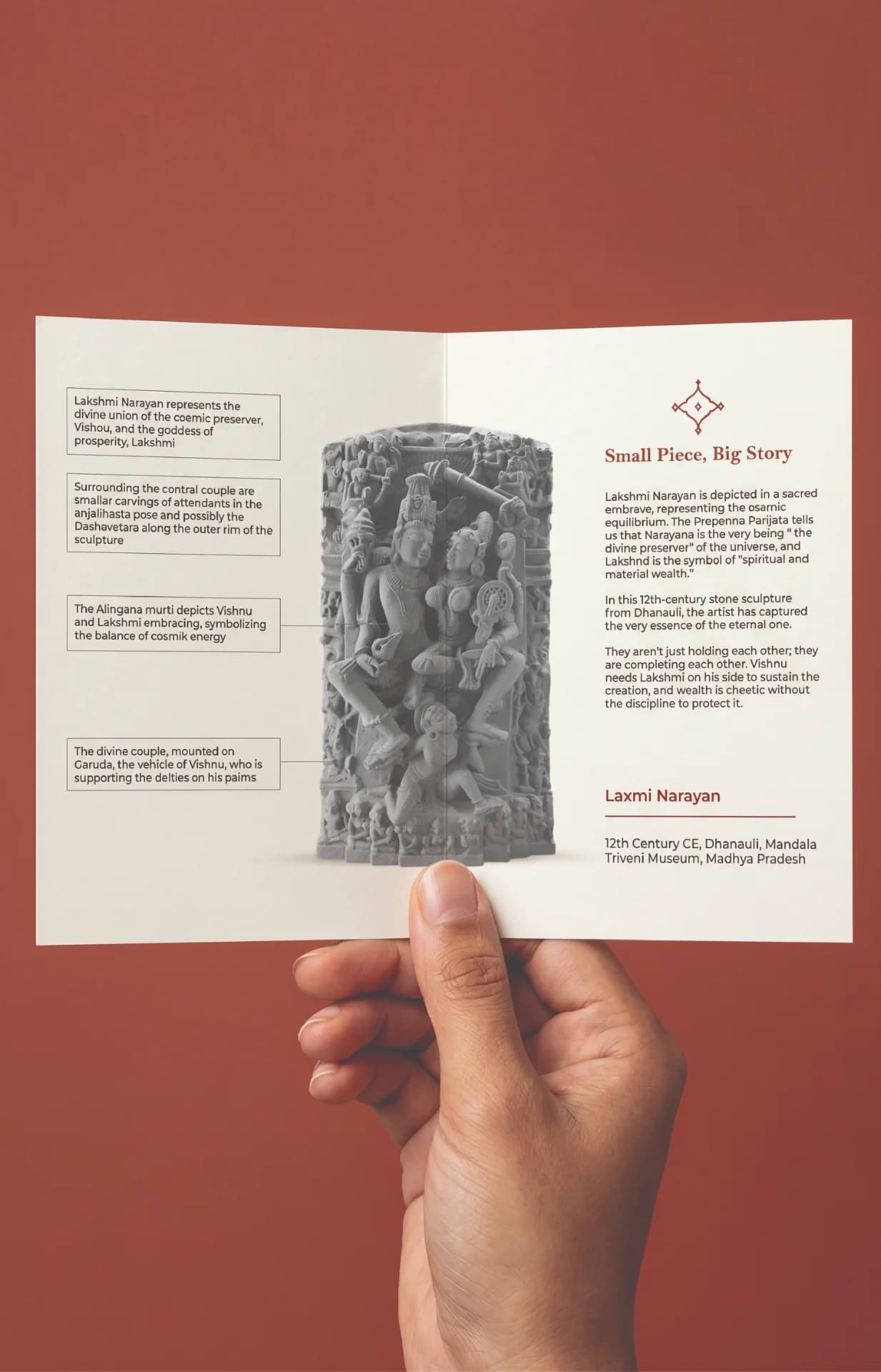
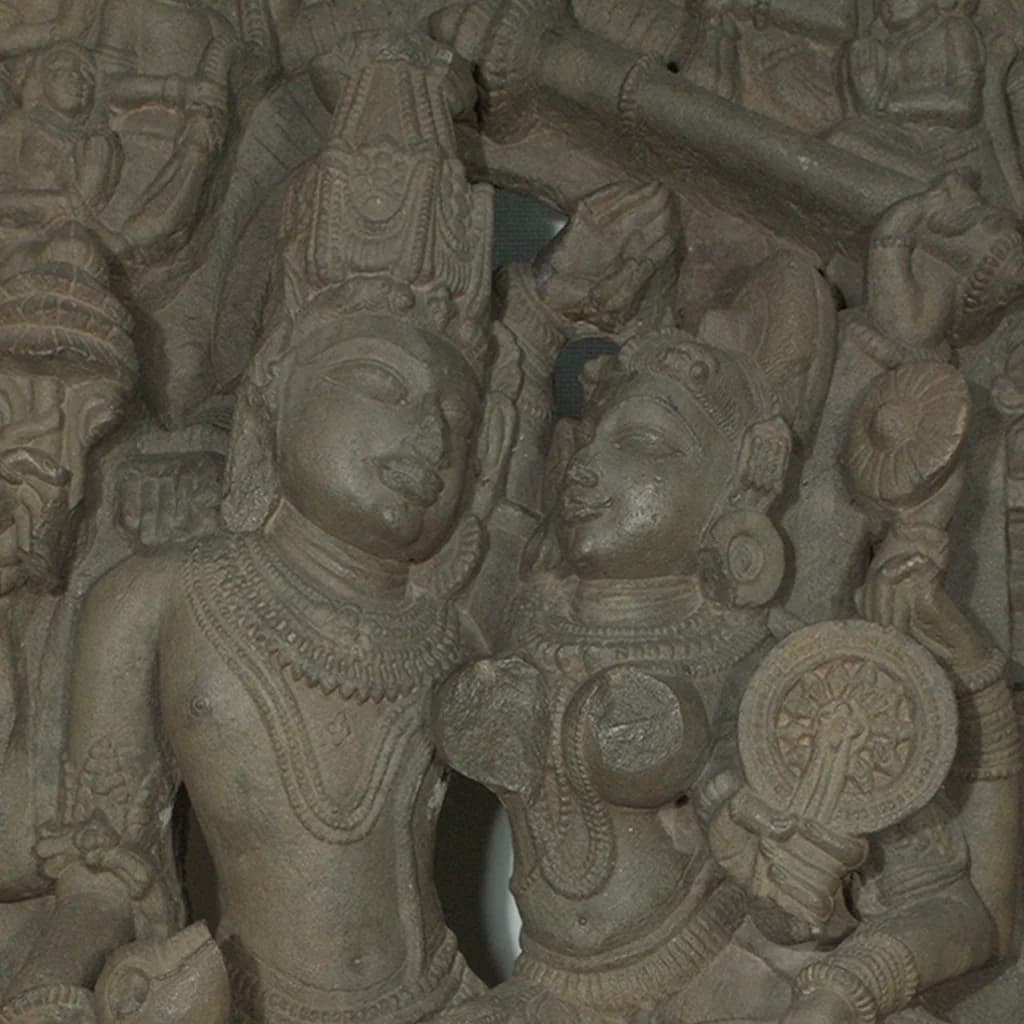
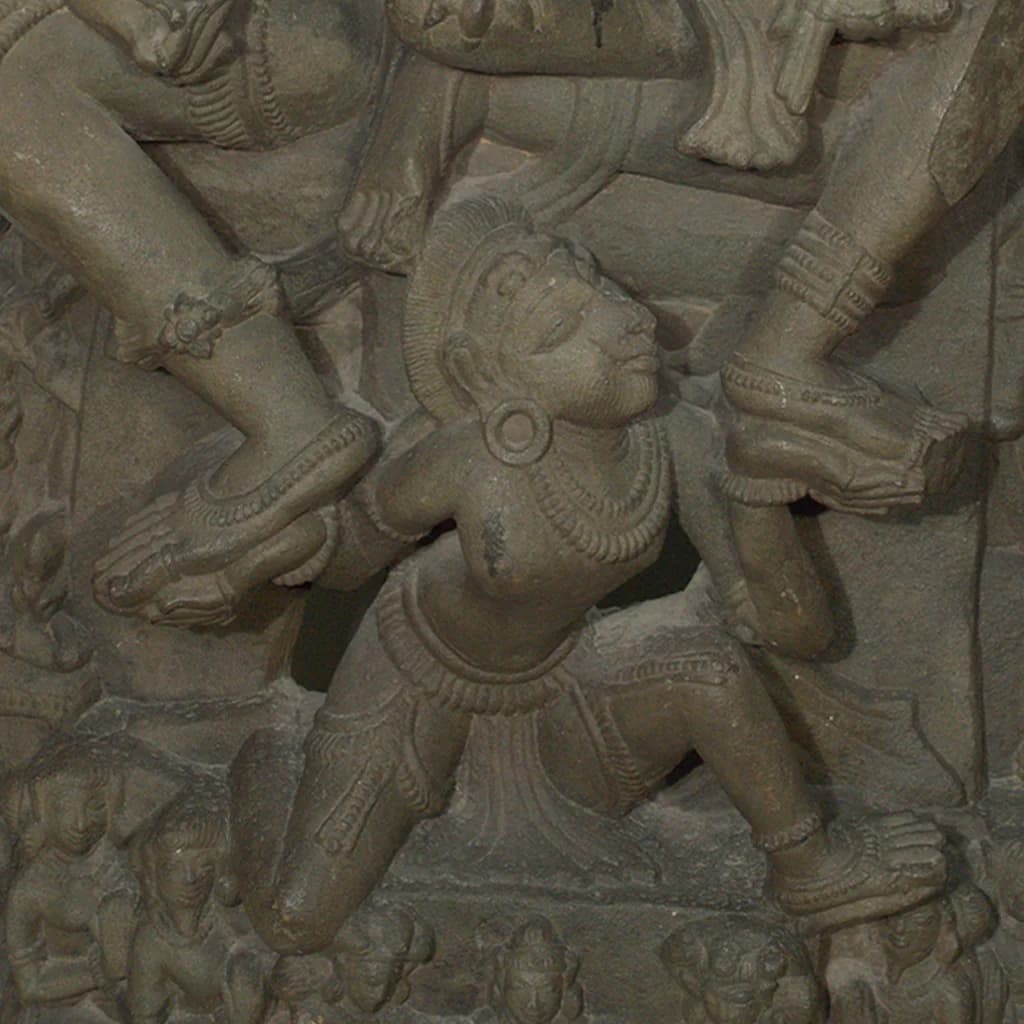
Lakshmi derives its name from the root "laks," which roughly translates to "perceive." Therefore, Lakshmi is the one who helps her devotees to achieve their goal. Narayana is the one whose abode is the primordial water. This sculpture has a combined representation of both the deities in Lalitasana. Garuda, his vahana, holding Vishnu’s right leg in one palm and Lakshmi’s left leg in the other. The frame around the sculpture features Dashavatars. According to traditional belief, Vishnu is the supreme deity, from whom the Creation emerged. He took several avatars in different eras to restore the dharma on this earth. The Dashavatars are a depiction of these incarnations. Goddess Lakshmi isn't just his consort but the divine femininity who helps Vishnu in regulating his creation. The story of her origin goes back to Samudra Manthan. It is believed that Goddess Lakshmi, who is the goddess of material and spiritual wealth, follows Vishnu everywhere. As his consort, she always stays beside the deity. Artists have captured this essence in a statue. This sculpture stands out not only for its kala but also for its bhava. It was the period when stone carving had reached a point where even heavy stone appeared soft and light, almost like fabric, especially in how they captured delicate jewelry and well-shaped bodies. This artifact shows how Indian medieval art shifted into a richer style of storytelling, with every part of the stone holding spiritual meaning.
Reviews
Devarsh
Verified Purchase
5 months ago
The Lakshmi Narayan - 9 Inch completely changed the corner of my room. Looks classy and very thoughtfully made.
Divyansh
Verified Purchase
6 months ago
Really impressed with the Lakshmi Narayan - 9 Inch. It has a rich handmade feel and sits perfectly on my shelf.
Anurag N
Verified Purchase
6 months ago
Such a good thought behind this, and the piece is also very nicely made. Looks classy.
Shivaji
Verified Purchase
7 months ago
Happy with the Lakshmi Narayan - 9 Inch. The detailing stands out nicely and guests keep asking where I got it from.
Gargi R
Verified Purchase
7 months ago
A very nice effort by the team. It met my expectations fully.
Dr. Sudhir
Verified Purchase
7 months ago
The Lakshmi Narayan - 9 Inch looks stunning in my living room. The detailing feels premium and everyone at home noticed it immediately.
Devarsh
Verified Purchase
5 months ago
The Lakshmi Narayan - 9 Inch completely changed the corner of my room. Looks classy and very thoughtfully made.
Divyansh
Verified Purchase
6 months ago
Really impressed with the Lakshmi Narayan - 9 Inch. It has a rich handmade feel and sits perfectly on my shelf.
Anurag N
Verified Purchase
6 months ago
Such a good thought behind this, and the piece is also very nicely made. Looks classy.
Shivaji
Verified Purchase
7 months ago
Happy with the Lakshmi Narayan - 9 Inch. The detailing stands out nicely and guests keep asking where I got it from.
Gargi R
Verified Purchase
7 months ago
A very nice effort by the team. It met my expectations fully.
Dr. Sudhir
Verified Purchase
7 months ago
The Lakshmi Narayan - 9 Inch looks stunning in my living room. The detailing feels premium and everyone at home noticed it immediately.
Also Bought Together
You may also like
No products available right now.